Both the Stockbridge and Lenox Zoning Boards recently approved extensions to the special permit granted to Front Yard LLC for the creation of a “Travaasa”-branded resort on the property. At those meetings, as reported by the Berkshire Eagle, an attorney representing the applicant alluded to delays caused by litigation filed by owners of neighboring properties; increased material prices; and the “complexity” of the project.
We have a few other ideas why investors may be leery of throwing money into the potentially bottomless money pit at Elm Court:
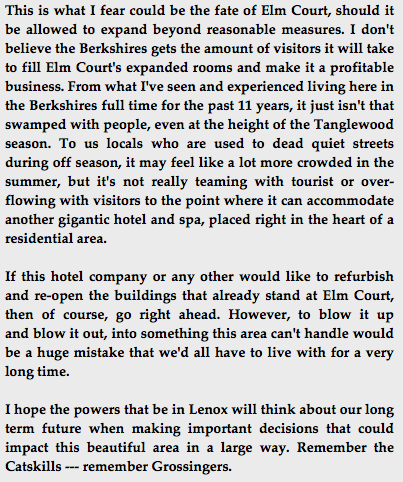
I The project makes no economic sense. There is already existing over-capacity in the Berkshire hospitality industry. The expansion at Cranwell/Miraval will certainly put increased pressure on the industry, above all in the market segment targeted by Amstar/Travaasa. Demographic trends also pressure the market, with younger generations staying away from “destination resorts”, expressing preferences for Airbnb, glamping or smaller inns touch as Tourists in North Adams. In turn, older guests prefer the familiar traditional choices such as Blantyre, Wheatleigh and the Red Lion, all of which are running well below capacity. Then there are Canyon Ranch and Kripalu in the “Wellness” category to which Travaasa also aspires: formidable, established competition, with recently expanded capacity presently not being filled. Where is the market for Elm Court “Travaasa”? We don’t know, because Front Yard never made their case for economic viability during any of their appearances before local boards.
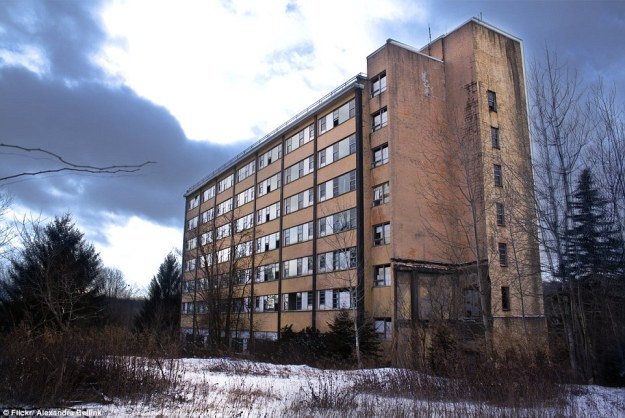
II. The risks and costs associated with the promised “extensive renovation” of the existing Elm Court mansion are unknown. Are there serious lead paint and asbestos issues? Are the foundations for the wings structurally sound? Do other aspects of the rotting mansion retain structural integrity, or will it become necessary to essentially rebuild a sprawling Gilded Age trophy house? If that is the case, then why build a four-story big box right next to the “renovated” sprawling mansion, with all the associated costs of new construction?
III. In order to obtain the special permits, the Amstar CEO at the time, Mr. Gabe Finke, promised to pay for both extensive municipal infrastructure (a complicated and expensive sewage connection as well as water upgrades), together with a sidewalk that would run from Elm Court to the town of Lenox, a sidewalk that many — if not most — of the impacted properties oppose. What are the risks and costs associated with this work? Here again, no specificity was provided regarding the budget nor engineering for these promised improvements in any of Front Yard’s appearances before local planning boards. Investors would need to carefully evaluate how these substantial risks and hidden costs might negatively impact their return.
IV. Front yard/ Amstar has no development experience for a property of this size — or any size! Zero. They are a “cradle to grave” fund that buys properties, tries through a variety of strategies to add value to those properties, and then sell to the highest bidder. They make their money on the exit. Do investors trust Front Yard LLC and Travaasa — a brand now limited to a single operating property, in Hawaii — to manage a major development project such as this? Obviously, they would need a development partner; but would any experienced developer be willing to assume the many known unknowns and unknown unknowns associated with this project? Amstar/Front Yard are promising a return of 7 or 8 percent based on 60 to 70 percent occupancy. Everyone has a dream, but are these numbers even remotely grounded in reality?
———–
Obviously, there are future uses for the property that would make economic sense, and that the neighborhood would support. For example, the rotting wings could be removed, leaving the original (and far more architecturally distinguished) core of the residence as a small, boutique luxury inn. Such an Inn would be the heart of a limited residential development along the lines of nearby Bishop Estate, with most of the land held in common, and managed by an HOA. Canyon Ranch has struggled to sell its two million dollar condos, but the market for second homes, above all in prime locations such as Old Stockbridge Road, remains strong. As many of us who live here have submitted from the start of this long process, a reasonable, low impact use would be welcomed and supported. The existing plan, a plan that adds a second huge structure directly next door to what was once the largest private residence in North America in a market already saturated with resorts, hotels and other options, is just plain silly. No wonder the Front Yard attorney reports “difficulties” in rounding up investors!


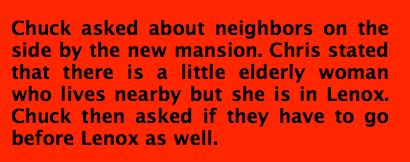

 Mr. Shatz knew that he would eventually preside over the hearing for a special permit as the Chair of the SPGA, yet there he was back in 2012 actively coaching the applicant as to how they could slide a bylaw amendment designed to facilitate the approval of this one property through an unpredictable Special Town Meeting on zoning issues that was eventually scheduled for February 19, 2013. Even though that meeting was subsequently presented with an incomplete and inaccurate description of the project, and even with all that preparation and help from the Selectmen, the amendment still did not pass. What to do?
 At the regular 2013 Town Meeting to follow, the BOS gave a ringing endorsement to this amendment, written by the owner’s attorney in consultation with the BOS; Amstar once again presented a partial and significantly smaller version of their plan; a few emotional pleas were made to “save Elm Court”; and the amendment finally passed.
 To all those who witnessed this process, and to all those who have duly examined the above three excerpts from the Stockbridge BOS minutes: do you believe this properly high ethical standard has been met?
 Old Stockbridge Road Neighborhood Association